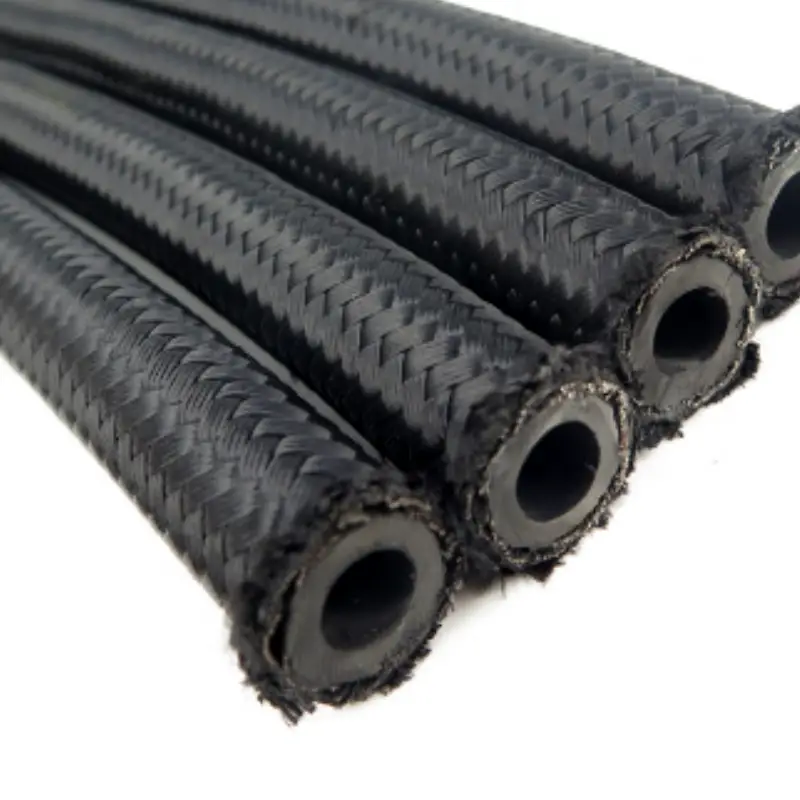
A hydraulic hose should be installed by matching the correct hose specification, removing all stored pressure, keeping the assembly clean, avoiding twisting, and checking the final connection before operation. A proper installation can help hoses reach their designed service life, while incorrect routing or fitting errors may reduce service life by more than 50% in high-cycle applications. A safe installation process includes selection, preparation, assembly, inspection, and regular maintenance.
Hydraulic hose installation starts with choosing the right hose for the machine and working conditions. The hose must match the required pressure rating, temperature range, fluid type, inside diameter, and fitting style. SAE J517, first published in 1956 and updated several times, remains one of the most widely used standards for hydraulic hose specifications.
A hose with an incorrect size can affect system performance. If the inside diameter is too small, fluid velocity increases and pressure loss rises. In many hydraulic systems, a diameter reduction of only 1 size can increase flow resistance by more than 20%, causing higher heat generation and reduced efficiency.
A hydraulic hose is not selected only by appearance. Pressure, temperature, movement, and fluid compatibility all determine whether the hose will perform safely.
Before removing an old hose, the hydraulic system must be fully depressurized. Hydraulic circuits can store pressure even after equipment shutdown, and opening a connection while pressure remains can release fluid suddenly. Maintenance procedures commonly recommend shutting down the equipment, moving control levers to release trapped pressure, and confirming zero pressure before removal.
The preparation stage also requires checking the condition of nearby components. Damaged fittings, cracked adapters, worn clamps, and contaminated ports should be repaired or cleaned before installing a new hose. A new hose connected to damaged hardware may still experience leakage or early failure.
Clean installation conditions have a strong effect on hydraulic system reliability. Hydraulic components such as pumps, valves, and actuators often require strict contamination control because small particles can damage precision surfaces. ISO 4406 hydraulic cleanliness standards classify fluid contamination levels based on particle counts, including particles larger than 4, 6, and 14 microns.
During hose replacement, technicians should keep protective caps on fittings until final assembly. Studies of hydraulic contamination have shown that particles introduced during maintenance can increase component wear significantly, and even a few minutes of exposure to a dirty environment can allow unwanted particles to enter the system.
Selecting the correct hydraulic rubber hose type is also necessary for safe operation. Different applications require different hose structures, including single-wire braid, double-wire braid, spiral reinforcement, and thermoplastic designs.
Common hose types include:
| Hose type | Typical application | Main feature |
|---|---|---|
| SAE 100R1 | General hydraulic systems | Single wire reinforcement |
| SAE 100R2 | Construction and industrial equipment | Higher pressure resistance |
| SAE 100R12 | Heavy machinery | Handles repeated pressure cycles |
| SAE 100R13 | High-pressure equipment | Designed for demanding conditions |
After selecting the correct hose, installation position and routing must be planned carefully. A hose should follow a natural curve without sharp bends or forced positioning. Excessive bending places stress on reinforcement layers and can reduce resistance to repeated pressure changes.
The minimum bend radius provided by the manufacturer should always be followed. For example, bending a hose below its rated radius can shorten service life because the inner tube, reinforcement wires, and outer cover experience uneven stress during operation.
Twisting is another common installation mistake. A hose should not be rotated to make fitting alignment easier. Even a small twist can change the way internal reinforcement carries pressure loads. In applications with thousands of pressure cycles per year, this additional stress can accelerate wear.
Install the fitting first, then position the hose naturally. Do not use the hose body as a tool to rotate or tighten connections.
Hose routing should also consider movement, vibration, and temperature exposure. Equipment such as excavators, loaders, and agricultural machines create constant movement between components. The hose must have enough length to follow this movement without rubbing against surrounding parts.
Recommended routing practices include:
-
Keep hoses away from sharp edges and hot surfaces.
-
Use clamps when long hose sections may vibrate.
-
Avoid contact with moving mechanical parts.
-
Leave enough clearance for full machine movement.
-
Separate hoses that may rub against each other.
Heat exposure is another factor affecting hose performance. Many hydraulic hoses are rated for specific temperature ranges, often from approximately -40°C to 100°C depending on construction and material. Continuous operation above the recommended temperature can accelerate rubber aging and reduce flexibility.
Fitting installation requires correct alignment and proper tightening. Hydraulic fittings should match the hose specification and thread standard. Mixing incompatible fittings may create sealing problems even if the connection appears tight.
Different fitting designs require different installation methods:
| Fitting style | Installation point |
|---|---|
| JIC flare | Keep flare surfaces clean and aligned |
| O-ring face seal | Check O-ring condition before tightening |
| NPT thread | Apply suitable sealing material |
| Metric fittings | Confirm correct thread dimensions |
Over-tightening is a frequent problem during installation. Excessive torque can damage threads, deform sealing surfaces, or crack components. Under-tightening may allow leakage when the system reaches operating pressure.
Manufacturers normally provide recommended torque values based on fitting material and size. Following those values helps maintain sealing performance without damaging the connection.
After installation, the hydraulic system should be tested slowly. The equipment should start at low pressure while checking the hose assembly, fittings, and surrounding areas. Any leakage, unusual movement, or contact with nearby parts should be corrected before normal operation.
A basic inspection after installation includes:
| Check item | Purpose |
|---|---|
| Connection leakage | Confirm proper sealing |
| Hose position | Confirm correct routing |
| Bend radius | Prevent excessive stress |
| Surface condition | Identify rubbing or damage |
| Pressure response | Confirm normal operation |
Regular inspection helps maintain hose performance after installation. The inspection schedule depends on equipment type, operating hours, and environment. Machines used in mining, construction, and agriculture usually require more frequent checks because they experience higher vibration and mechanical movement.
A 2020 hydraulic equipment maintenance review found that hose-related issues remain one of the common causes of hydraulic system downtime. Regular visual checks can identify cover damage, leakage, abrasion marks, and fitting problems before a larger repair is required.
Common installation errors include:
-
Using a hose with an incorrect pressure rating.
-
Installing a hose with excessive bending.
-
Allowing contamination into fittings.
-
Tightening fittings without proper specifications.
-
Routing hoses against abrasive surfaces.
-
Reusing damaged fittings.
Each installation step affects the final operating condition. A correctly selected hose, clean assembly process, proper routing, and accurate fitting installation allow hydraulic systems to operate reliably through repeated pressure cycles.
Hydraulic hose installation is a technical process that combines equipment knowledge and careful handling. Following recognized standards, manufacturer instructions, and regular inspection practices helps reduce leakage risks, improve equipment availability, and maintain safer hydraulic system operation.